Author: jns

  • Under the Radar – Tabletop Games

    Under the Radar
    Tabletop Game Picks


    Trophy (Trophy Dark and Trophy Gold)

    Type: TTRPG (Tabletop Roleplaying Game)

    System: Belongs to the Cairn/Into the Odd-family of rules; uses a lightweight d6-based resolution system

    Official Site: https://trophyrpg.com

    Books + PDFs: Indie Press Revolution , Drive-Thru RPG, $15.00


    Group Size

    Both run beautifully with small groups because the focus is introspective horror and character-driven tension. Trophy Dark plays best with 3-5 players plus a facilitator; Trophy Dark works well with 2-5 players plus a GM.


    Age Range

    This game is appropriate for players 16 to 18 and up, depending on the direction of the GM. The themes are psychological, tragic, and often deal with corruption, dread, and body horror. Not explicit, but emotionally intense.


    Overview

    Trophy is a pair of closely related fantasy-horror RPGs built for different styles of play.

    Trophy Dark

    A one-shot, tragic-horror TTRPG where the characters will not survive. it plays like “folk horror meets doomed expedition.” Characters delve into a cursed forest and succumb to ambition, corruption, or the forest itself.

    Trophy Gold

    A campaign-length dungeon-delving game where players are treasure hunters trying to survive dangerous incursions. It keeps the dark tone but adds progression and repeat characters. Think old school dungeon crawl meets prestige-horror series.

    • more structured play
    • still lethal, but less doomed-by-design
    • uses “incursions” (modular adventures) that are extremely easy to drop into any fantasy world

    Features + Characteristics

    • very atmospheric
    • session lasts 2-4 hours
    • designed for story-focused players who enjoy psychological or ritualistic horror
    • Trophy Dark. Best with 3-5 players plus a facilitator
    • Trophy Gold. Works well with 2-5 players plus a GM

    Why It’s Under the Radar

    Trophy is celebrated in indie circles for its writing, mood, and structure, but it’s not widely known outside TTRPG enthusiasts. Trophy Dark‘s “doomed by design” premise is unique, and Trophy Gold‘s hybrid of OSR structure + narrative tools sits in a sweet spot most games don’t explore.
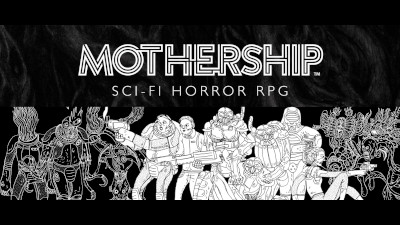

    Mothership

    Type: TTRPG (Tabletop Roleplaying Game)

    System: OSR-style d100 / “roll-under” rules, with simple core mechanics for attributes, saves, and panic checks

    Official Site: Tuesday Knight Games

    Books + PDFs: Tuesday Knight Games, Drive-Thru RPG, $ 0 – $99.00


    Group Size

    Best with 2–5 players + 1 GM (warden). The system works well with small groups, though it can scale if you have extra players.


    Age Range

    Recommended for mature teens and adults (approx. 16+). The game often explores themes of horror, isolation, mental stress, body horror, and existential dread.


    Overview

    Mothership casts you and your crew as spacefarers, scientists, androids, or marines trying to survive the unforgiving darkness of deep space. You’ll explore abandoned starships, investigate derelict wrecks, mine alien planets, and try to stay sane while drifting through the void, knowing that every session has the potential to spiral into horror, paranoia, and panic. The game draws heavy inspiration from classic sci-fi horror (think bleak isolation, claustrophobic corridors, and creeping dread), but it strips down the rules so even new players can jump in quickly.

    Character-creation is fast and flexible; choose a class (Marine, Scientist, Teamster, or Android), roll up a few core stats and “Saves” (Body, Sanity, Fear), pick your skills, and you’re good to go. As soon as things go wrong (and they will), the game leans into panic checks, stress, and unpredictable danger to push players toward tough decisions. Do you fight or flee, cling to rational thought, or give in to terrified desperation?


    Features + Characteristics

    • Lean, minimalist rules. Character creation is fast, resolution simple. Roll under your stat on d100 for actions, with failed checks triggering panic or worse.
    • Stress/Panic system. Adds tension and unpredictability; panic can override competence, making space horror feel real.
    • Customizable campaign or sandbox-style play. From one-shots to longer crew-in-space sagas, or grim survival horror. The system accommodates missions, derelict-ship explorations, rescue operations, or wandering the void.
    • Loose but evocative sci-fi horror frame. Setting is open enough that GMs (wardens) can shape tone: gritty hard-SF, cosmic horror, creepy derelicts, or corporate dystopia.
    • Affordable and accessible. The core materials are inexpensive, PDFs are often free or pay-what-you-want, making it easy to try out without a big investment.

    Why It’s Under the Radar

    Mothership isn’t a mainstream blockbuster, so it doesn’t have the marketing muscle of big-name RPG brands. But that’s kind of the point. It thrives in the indie margins, where creativity and horror both can run wild. It’s small, brutal, lean, and supremely flexible.

    For people who love sci-fi horror but feel mainstream RPGs get too bloated or safe, Mothership is a perfect underground pick, delivering dread, isolation, and danger in just a few pages of rules. It also serves as a sandbox for twisted, DIY storytelling; you and your group build a customized universe with just a handful of modules or even a single “one-shot.”

    If you want space dread, grim crews with precarious sanity, and a system that stays out of your way so horror can take center stage, Mothership is the kind of gem that indie-RPG lovers still cherish.

  • Under the Radar – Video Games

    Under the Radar
    Video Game Picks


    South Scrimshaw Part One

    Indie • Narrative Sci-Fi • Free
    Play on Steam | PlayStation | GOG | itch.io

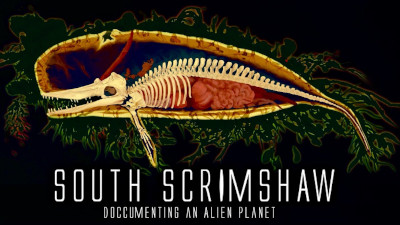
    Considered a visual novel (VN), South Scrimshaw is a slow-burn, illustrated biology-and-exploration adventure that feels like playing a natural history documentary. The game follows the entire early life of a fictional extraterrestrial whale species (the “Brillo Whale”) from birth trhough adolescence, depicting its struggles, exosystem, growth, and survival. It’s art heavy, with a mix of watercolor, ink, and dibital painting that contribute to its lush, hand-crafted feel. The presentation is linear; you don’t pick multiple paths, and it’s more about the storytelling, atmosphere, and immersion than player decision-making. South Scrimshaw is a “short but heavy” game that is frequently described as “stunning,” “emotional,” and “life-affirming.”

    Developer Nathan O. Marsh has announced that the full story will be split into two parts, with the second (South Scrimshaw, Part Two) in the works, though as of this writing, the release date remains unannounced.

    If you love >> melancholy sci-fi, speculative biology, linear VNs, ambient storytelling


    Horses

    Indie • Horror • $ 4.99

    Play on GOG | itch.io | Humble Store

    Horses is a first-person psychological horror experience that blends mundane farm chores with increasingly surreal and disturbing imagery. You play a young man spending a summer on a secluded farm where the “horses” are nude, pixel-censored humans wearing horse masks; the horror comes not from jump scares but from atmosphere, social critique, and the slow unraveling of the farm’s true nature. Despite its short (3-4 hours) length, Horses has gained a reputation for being provocative, art-focused, and emotionally abrasive in the way only boundary-pushing indie horror can be.

    The game became widely discussed after Steam and Epid both refused to sell it, citing “inappropriate content” and IARC rating issues, despite earlier approvals. These bans pushed the game into underground notoriety and sparked ongoing debates around censorship, artistic freedom, and platform control.

    If you love >> psychological horror, surreal allegories, slow dread, morally challenging narratives


    Signalis: Directive

    Indie • Sci-Fi • Survival/Horror

    Play on: PC | Steam | GOG | itch.io | PlayStation | Xbox | Switch

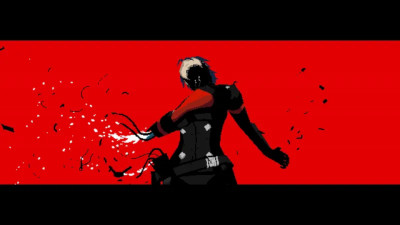
    This hit from studio rose-engine impressed critics across the board and built a loyal fanbase through word of mouth. A love letter to classic survival-horror, it features tight inventory management, fixed-camera tension, and environmental puzzles wrapped in a cold, unsettling sci-fi world that feels more like a psychological thriller than a monster game.

    You play as Elster, a Replika unit searching for her missing partner, and the story unravels in a way that encourages players to connect the dots for themselves.

    The industry response was unusually strong for such a small project. Reviewers praised its art direction, sound design, and narrative style, calling it one of the standout indie horror titles of its year. Players have latched onto its symbolism, hidden clues, and branching endings, spawning plenty of theory videos and deep-dive essays. Even now, it regularly pops up in “best modern horror games” lists, and its success has sparked ongoing discussions about how indie studios are pushing the genre forward in ways big publishers rarely attempt.

    If you’re into slow-burn sci-fi, classic survival-horror mechanics, or games that leave you thinking long after the credits, Signalis is absolutely worth the play. It’s a great example of how indies continue to innovate while the mainstream market plays it safe.

    If you love >> retro horror, cosmic mystery, puzzle-heavy sci-fi


    KarmaZoo

    Indie | Sci-Fi | Co-Op Platformer | Party/Puzzle $ 9.99

    Play on: PC | Steam | PlayStation | Xbox | Switch

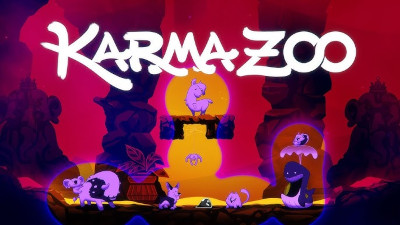
    KarmaZoo is the kind of game that feels like it was built in direct rebellion against the usual competitive, sweaty multiplayer trends. It’s a cooperative platformer built around helping total strangers succeed, and the entire progression system rewards you for being kind, patient, and a good teammate. Up to ten players run chaotic little obstacle courses together, each taking on a strange, adorable creature with its own quirky ability. You’re not competing for points; you’re pooling “karma” to unlock new characters and new ways to support your group.

    Critics loved its charm and the pure wholesomeness of its design, though it never really broke into the mainstream the way many believe it deserved. It did get praise, however, for its clever level design and for being the rare multiplayer game where failure is funny rather than frustrating. Unfortunately, it also hit at a time when countless other online indies were fighting for attention, and the servers didn’t stay healthy for long. Still, the game earned a lot of admiration for what it tried to do: rethink multiplayer as a space for cooperation rather than competition.

    If you’re into joyful chaos, light puzzle-platforming, and games built around actually helping people, KarmaZoo is a sweet, suprising gem with a lot of heart.

    If you love >> co-op silliness, wholesome multiplayer, quirky creatures


    Arc Seed

    Indie | Mech | Strategy | Tactical | Turn Based | $14.99

    Play on: PC | Steam | Playstation

    ARC SEED launched on PC (via Steam, exiting Early Access in September 2025) and got a PS5 port that dropped in November 2025.

    You pilot massive mechs to defend Earth from alien “Angels,” combining strategic, grid-based combat with roguelite deck-building elements. Between upgrading your mech, customizing loadouts, building “city-defenses,” and navigating destructible environments (sometimes using buildings themselves as weapons!) the game leans hard into thoughtful, tactical mech fights and replayable chaos.

    As of post-Early Access the reception’s been pretty decent. Players and critics praise how the deck-/tactics-hybrid gives each run a different flavor, and how the destructible urban environments add a nice layer of strategy. That said, the beginning runs can feel slow and punishing until you get a solid build going.

    If you’re into big-mech combat, strategic deck-building, urban-destruction-plus-tactics, or want a roguelite that rewards experimentation, ARC SEED is a strong pick and one of those indie gems that feels like it could broaden what mech games can do.

    If you love: tactical mechs, deck-builder strategy, destructible-environment chaos


    Routine

    PC • Indie • Sci-Fi • First-Person Horror $22.49

    Play on: PC | Steam | Playstation | Xbox | itch.io

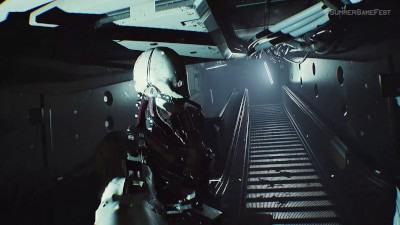
    Routine finally landed in December 4, 2025 after a famously long development. This retro-futuristic nightmareps you into an abandoned lunar base, a retro-futuristic nightmare rendered with crashy CRT-era tech, flickering corridors, and malfunctioning androids. Using the diegetic “C.A.T.” tool (your only interface), you explore, investigate, and try to survive without the benefit of HUD or handholding. There is only creeping dread and old-school sci-fi horror mechanics.

    Critics have been mostly positive, with many praising the atmosphere, tension, and immersive design. Its being compared favorably to the likes of Alien: Isolation. Some reviewers, however, flag pacing hiccups such as stealth-heavy sequences and recurring chase/puzzle loops that can feel repetitive.

    If you’re into analog-tech sci-fi horror, slow-burn tension, eerie lunar environments, and games that demand patience and immersion, then Routine is a solid pick for you.

    If you like: retro sci-fi horror, immersive exploration, tense stealth survival


    Lorn’s Lure

    PC • Indie • 3D Platformer • Atmospheric Exploration • $14.99

    Minimalist, eerie, and very physics-based. Think Mirror’s Edge meets Inside.

    Play on: PC | Steam | Xbox | Switch | itch.io

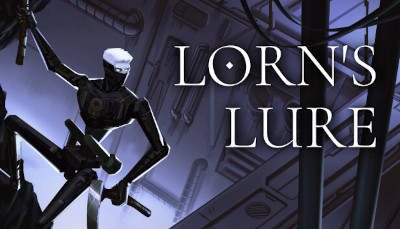
    Lorn’s Lure is a first-person precision platformer set inside a massive abandoned megastructure that feels equal parts surreal, industrial, and strangely peaceful. You play as a lost android chasing a mysterious glitching figure deeper and deeper into the labyrinth, using your climbing picks to scale walls, vault across impossible gaps, and navigate spaces that feel like a cross between brutalist architecture and a forgotten simulation. There’s no combat; the challenge comes from movement, momentum, timing, and figuring out how to bend the environment to your will.

    Critics and players have praised its atmosphere, its sense of scale, and its “flow state” gameplay, especially once you get comfortable with the climbing system. It drew attention as one of those small indies that punches above its weight visually, blending minimalist storytelling with enormous, beautifully lit structures that beg to be explored. Some reviewers noted the difficulty spikes and occasional frustration in later sections, but the overall reception was strong, and it’s consistently recommended to fans of Mirrors Edge-style traversal or platformers that treat movement as the story.

    If you’re into eerie megastructures, movement-focused exploration, and games that reward persistence and precision, Lorn’s Lure is a hidden gem well worth the journey.

    If you love >> atmospheric traversal • surreal architecture • precision platformers


  • Square Enix Announces Layoffs and Major AI Push

    Square Enix Announces
    Layoffs and Major AI Push

    October 12,2025

    In a move signaling a significant strategic shift, Japanese video game giant Square Enix recently announced a “fundamental restructuring” that includes widespread layoffs across its North American and European publishing divisions. This restructuring aims to consolidate development functions in Japan and streamline global operations.

    The company confirmed the cuts following a presentation to investors, noting the reorganization is designed to “strengthen global publishing capabilities and improving operational efficiency”.

    While the exact number of employees affected in the North American division remains undisclosed, reports indicate that 137 jobs are currently at risk in the UK. As part of this centralization effort, Square Enix is planning to close several overseas development studios and will shift toward consolidating its development capabilities back in Japan. The company also plans to reduce its HD Games publishing organization from 11 divisions down to just four.

    For Square Enix, this shift is expected to save a significant amount of cash, anticipating annual cost savings of over 3 billion yen (roughly $19.6 million).

    The AI Future: Automating QA

    The restructuring announcement came alongside a major technological pivot: a serious investment in Artificial Intelligence (AI) to boost productivity. Square Enix detailed plans to use generative AI technology to automate a huge portion of its development workload, setting an aggressive goal to automate 70% of QA and debugging tasks by the end of 2027.

    To achieve this, the company is collaborating with the Matsuo Laboratory at the University of Tokyo, focusing on joint research aimed at improving game development process efficiency through AI technologies. This move is part of a larger effort to “optimize resource allocation” and “improve developer efficiency”.

    Looking Ahead

    Square Enix acknowledged that the layoffs were an “extremely difficult decision,” made to best position the company for long-term growth. They stated they are committed to treating departing staff “with the utmost respect” and providing support during the transition.

    This restructuring confirms that the West will primarily be viewed as a distribution channel rather than a major development priority moving forward. For instance, core Western-managed IPs like Life Is Strange and Just Cause will now fall under a globally integrated structure.

    Despite the internal changes, Square Enix is still moving forward with releases, including the planned re-release of Final Fantasy VII Remake Intergrade on January 22 for the Nintendo Switch 2 and Xbox Series X|S.

    This whole situation feels a bit like watching a classic RPG party reorganize their inventory mid-dungeon. Square Enix is dropping weight (Western studios) and trying to level up a new skill (AI automation) in hopes of a much more efficient endgame.

  • NewsGame+ November 02-08


    Amazon’s Mass Effect TV Show Set After Trilogy

    The long-rumored Mass Effect TV series is finally materializing, and Amazon’s adaptation will boldly go beyond Commander Shepard’s story.

    Set after the original trilogy, the show aims to explore the post-war galaxy without rehashing old ground or old heroes. Fans are cautiously optimistic (read: terrified) that the absence of Shephard means more freedom… and more room to mess things up. Meanwhile, BioWare’s new Mass Effect game remains in active development, though no release window has been confirmed.


    Vampire: The Masquerade Bloodlines 2 Budget Revealed

    Turns out being undead doesn’t make you cheap. Analysts from Swedbank estimate the production cost of Bloodlines 2 at roughly 600million SEK (about $62 million USD) not including marketing. Considering its turbulent development history and studio changes, that figure makes sense… though players might still ask whether the game’s “humanity meter” now applies to investors.


    Grand Theft Auto VI Delayed to November 2026

    You can’t rush perfection, or apparently, Grand Theft Auto VI. Rockstar has pushed back the most anticipated game of the decade to November 2026, citing extended polishing time (and probably to avoid another employee burnout scandal).

    Fans have collectively sighed, booted up GTA Online, and resumed throwing bombs at each other.


    Marvel 1943: Rise of Hydra Delayed Beyond Early 2026

    The Captain America/Black Panther team-up game, Marvel 1943: Rise of Hydra, has been delayed with no new release window. The game, set in WWII-era Parish, had players hyped for its dual-protagonist concept, but now we’ll be waiting longer to punch Nazis in high definition.


    Rockstar Games Cites Leaking as Reason for Employee Firings

    Rockstar Games confirmed that its recent layoffs — between 30 and 40 employees — were linked to internal leaks. The company told Bloomberg that employees had “breached confidentiality agreements,” which sparked both sympathy and skepticism online.
    Fans noted the irony of a company famous for crime simulators cracking down on information theft.


    Pokémon Legends: Z-A Mega Dimension DLC Announced

    Get ready to bend space-time. Pokémon Legends: Z-A – Mega Dimension launches next month, bringing Level 100+ Pokémon battles and new regions within Hyperspace Lumiose. Trainers are already hoarding Ultra Balls and caffeine.


    Kingdom Come: Deliverance II Free to Play Weeknd

    Warhorse Studios gave players a free trial of Kingdom Come: Deliverance II on November 6, letting fans of medieval realism test-drive its refined combat and stunning worldbuilding. Reviews so far? “Like Skyrim, but you can’t shout people off cliffs.”


    PlayStation State of Play Announced for Japan/Asia

    PlayStation surprised fans with a regional State of Play event focusing exclusively on Japanese and Asian developers. Expect updates from Capcom, Bandai Namco, and a few curveballs from indie studios that keep reminding the West that yes, 2D still rules.


    Cloud Streaming Now Available on PlayStation Portal

    Sony finally flipped the switch: cloud streaming is live on the PlayStation Portal. Players can now stream PS5 games from the cloud — even if someone else is using the console. Marriages everywhere are about to be tested.


    Dispatch Sells Over 1 Million Copies

    Move over, The Boys. Dispatch, the superhero office sim where you juggle egos, powers, and HR disasters, sold 1 million copies in just 10 days. Critics call it “the funniest burnout simulator since The Stanley Parable.


    Magic: The Gathering x Avatar: The Last Airbender

    The crossover nobody saw coming but everyone wanted: MTG x Avatar. The new “Allied Forces” set introduces elemental heroes, iconic locations, and stunning card art that’ll drain wallets faster than a Fire Nation raid.


    Anime Rhythm Game Unbeatable Delayed Hours Before Launch

    In a twist worthy of its title, Unbeatable was delayed just hours before release. The anime-inspired rhythm game, once hyped as “a love letter to music and rebellion,” will now launch in December 2025. Developers apologized, saying they “refuse to drop a beat until it’s perfect.”


    Nintendo Switch 2 Sales Exceed 10 Million Units

    Nintendo’s newest console continues its record-breaking run, surpassing 10 million units sold. Critics praise its performance boost and backwards compatibility, while scalpers praise it for paying their rent.


    Fantastic Pixel Castle Studio Facing Closure

    The studio behind the ambitious fantasy MMO Fantastic Pixel Castle may be shutting down after losing funding from NetEase. Founded by a former World of Warcraft lead in 2023, the project showed promise — but in this economy, not even dragons are recession-proof.


    Dragon Quest VII Reimagined Will Feature a New Conclusion

    The Dragon Quest VII remake will feature an all-new ending, giving returning fans a reason to start their 60-hour journeys all over again. (And yes, you can still name your protagonist “Butts.”)


    Hands-On with Mewgenics

    Hands-on previews of Mewgenics describe it as “equal parts adorable, deranged, and brilliant.” The long-awaited game from the creators of The Binding of Isaac mixes tactical strategy with chaotic genetics — and somehow, it works.


    Persona Life 2026: Awakenings US Shows Announced

    Persona fans, rejoice! The Persona Live 2026: Awakenings concert tour is finally coming stateside — but only for two shows in Los Angeles. Expect stylish visuals, impossible ticket queues, and a sea of people wearing Joker masks in 90°F heat.

  • EA Games $55B Buyout Deal Raises Red Flags

    EA’s $55B Deal Raises Red Flags

    In a year already bursting with industry shakeups, record-breaking launches, and AI discourse hotter than a GPU running Starfield on ultra, Electronic Arts has managed to grab center stage, and not in the good way.

    On October 15th, EA confirmed it had entered into a $55 billion acquisition agreement with a consortium led by Saudi Arabia’s Public Investment Fund (PIF), along with U.S.-based Silver Lake Partners and Affinity Partners, the latter being a private equity firm founded by Jared Kushner. If your eyebrows just shot up, you’re not alone.

    The deal instantly became one of the largest buyouts in gaming history, placing EA’s value higher than many film studios, and signaling an unmistakable shift in how money, politics, and play are intermingling in the modern gaming landscape.

    Follow the money… and the headlines

    On the surface, EA’s official press release painted the buyout as a “strategic partnership for accelerated innovation and global reach.” (Translation: we’re cashing in.) CEO Andrew Wilson, ever the diplomat, expressed enthusiasm for “new opportunities to elevate the player experience.”

    What he didn’t mention was the absolute maelstrom already brewing around this deal. The inclusion of PIF, Saudi Arabia’s $700 billion sovereign wealth fund, has triggered alarm bells from government officials, labor unions, and a very skeptical public.

    Congress isn’t having it

    Within 24 hours of the announcement, U.S. Senators Elizabeth Warren and Richard Blumenthal released a joint statement expressing “deep concern” over the national security implications of the deal, pointing directly at PIF’s role and questioning Kushner’s cozy ties to the fund. They cited risks of foreign influence, lack of transparency, and broader geopolitical implications. Oh, and they also formally requested answers from EA’s leadership. No big deal, just Congress poking around your loot box empire.

    And it’s not just politicians raising red flags.

    Workers push back… loudly

    EA’s employees, represented by the UVW-CWA labor union, publicly condemned the acquisition and called for immediate regulatory scrutiny. Their statement cited ethical objections to Saudi Arabia’s human rights record and expressed concern over how little developers had been informed about the process before it hit the press.

    At a moment when unionization momentum is already gaining across the industry, the buyout feels like a lightning rod… or a powder keg, depending on how you look at it.

    Gamers, too, are lighting the fuse. Forums and social media are now flooded with hashtags like #BoycottEA and memes mocking the idea of “oil baron Ultimate Team packs.” One Redditor quipped, “At least now I understand why my Sims game was pushing luxury furniture so hard.

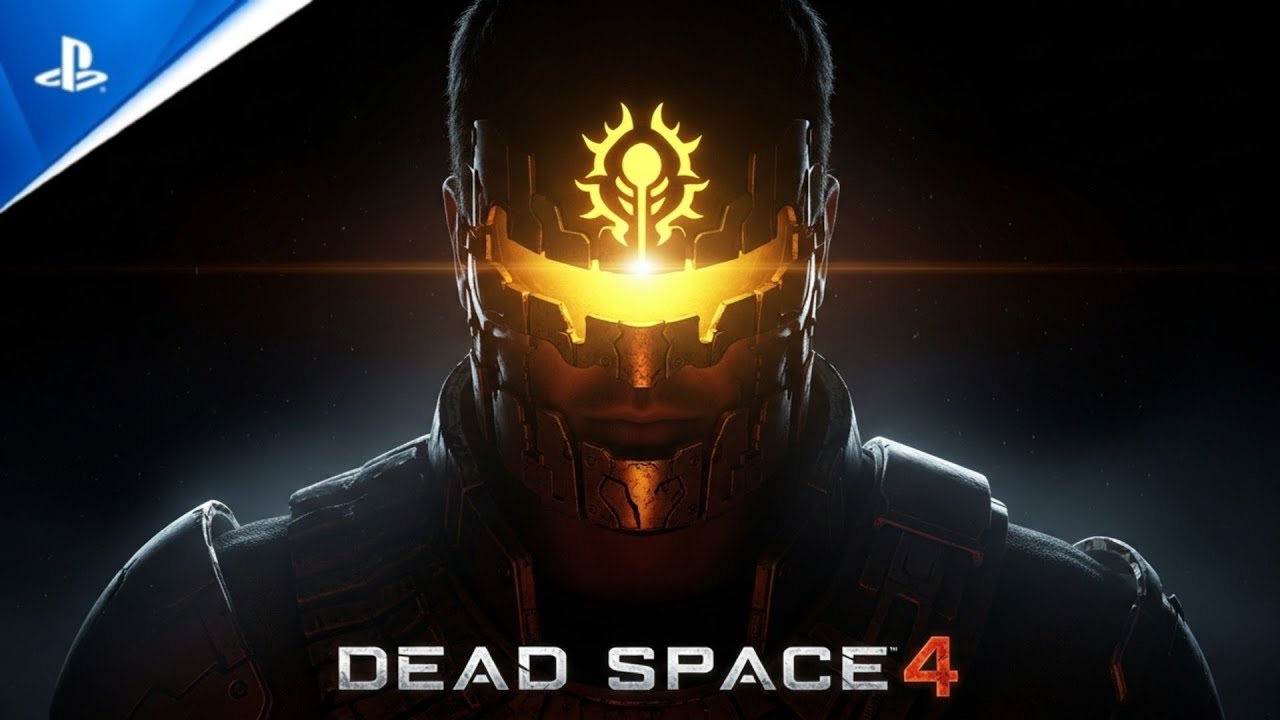
    Dead Space 4: The Unexpected Corpse Reanimation

    And just when you thought it couldn’t get weirder: Glen Schofield, creator of Dead Space and ex-CEO of Striking Distance Studios, has reportedly said he’s “already making calls” about developing Dead Space 4… for the new owners.

    According to Schofield, he believes he could save the consortium $30–40 million on the project, implying he’s offering a streamlined path to revive the dormant horror franchise without all that pesky corporate overhead. Because when a $55 billion buyout drops, who doesn’t dust off their old sci-fi corpse blender and pitch it as a value bundle?

    So…. what now?

    As of this writing, there are far more questions than answers. What happens to EA’s sprawling catalog of franchises (Battlefield, The Sims, FIFA (or EA FC), Apex Legends, Dragon Age, and more)? Will new leadership impact content, censorship, or the studio’s stance on monetization? Does this signal a deeper wave of international investment in U.S. studios, and if so, who’s next?

    For now, the industry waits. Regulatory scrutiny may delay the finalization of the deal, and if history tells us anything, those delays tend to get messy before they get resolved.

    But one thing is certain: this isn’t just a business transaction. It’s a massive turning point, not just for EA, but for how power, money, and creative control flow through the gaming industry.

    Min-maxing the gaming industry

    Gaming is no longer a niche market. It’s global, political, and wildly lucrative. So when your favorite game studio becomes the subject of congressional hearings and labor union press releases, it’s worth asking:

    Are we still talking about play? Or are we just watching capitalism speedrun itself?


    Sources

    “EA Announces Agreement to Be Acquired by PIF, Silver Lake, and Affinity Partners for $55 Billion.”
    Electronic Arts Press Release, October 15, 2025.

    Game World Observer.
    “Threat to National Security: U.S. Senators Concerned That a Saudi Fund Is Among EA’s Buyers.”
    October 16, 2025.

    PC Gamer.
    “Saudi Arabia’s Acquisition of Electronic Arts Faces Pushback from Game Developers.”
    October 16, 2025.

    Game Developer.
    “EA Employees and CWA Slam Saudi‑Led EA Buyout, Call for Regulatory Scrutiny.”
    October 16, 2025.

    Les Aventures Ludiques.
    “$55 Billion EA Sale Descends into Chaos as Workers and Lawmakers Fight the Saudi Takeover.”
    October 16, 2025.

    PC Gamer.
    “Dead Space 4? Glen Schofield’s Pitch to Save the Franchise for EA’s New Owners.”
    October 16, 2025.

  • Rachmaninoff: Cathedrals of Sound

    Rachmaninoff: Cathedrals of Sound

    Recovery & Creative Maturity in Russia (1901-1917)

    After the crushing disaster of his First Symphony, Rachmaninoff’s life could have easily gone down a very different road. For three years he barely wrote a note, paralyzed by self-doubt and depression. It was the first major fracture in a career that, for all its brilliance, would be marked by cycles of triumph and despair.

    What turned things around wasn’t more practice or a change of scenery, however; it was, surprisingly, hypnotherapy. Under the guidance of Dr. Nikolai Dahl, Rachmaninoff underwent daily sessions that helped restore his confidence and sense of purpose. Out of that healing came one of the most enduring works in the piano repertoire: the Piano Concerto No. 2 in C minor (1901). It was both a personal redemption and a huge success, instantly recognized for its sweeping melodies and emotional depth.

    From that point on, his style began to mature into something distinctly his own. Musicologists like to describe it in complicated terms  like “functional tonal structures,” “equal-interval chromaticism,” and “modal frameworks,” but at the heart of it, Rachmaninoff had figured out how to combine old and new in a way that sounded organic and felt timeless… as if the music had always existed. He drew on the familiar language of Western harmony (the kind you’d recognize from Beethoven or Chopin), then twisted it with unusual interval patterns and modes that gave his music a darker, more Russian color. The result was music that felt grounded but also restless, brooding, and entirely original.

    One of his quirks as a composer was an obsession with the Dies Irae, a medieval chant about judgment and death. Once you start listening for it, you’ll hear it everywhere in his works, sometimes quoted directly, sometimes lurking in disguise. It first appeared in his ill-fated First Symphony, but he returned to it again and again, in The Isle of the Dead (Op. 29, 1909), in his later preludes, and in countless other places. It became his personal musical fingerprint, a reminder that even at his most romantic and lush, Rachmaninoff’s imagination was haunted by mortality.

    Meanwhile, practical life forced another important change. The financial fallout from his First Symphony meant he couldn’t rely on composing alone. To support himself, he began developing a serious career as a concert pianist. At first he performed music by others, most notably Tchaikovsky’s popular B♭ minor Piano Concerto, which he played to great acclaim starting in 1911. Over time, though, audiences discovered that what they really wanted was Rachmaninoff playing Rachmaninoff, and his dual identity as both composer and virtuoso pianist was cemented at last.

    By the eve of the Russian Revolution in 1917, Rachmaninoff had become one of the towering musical figures of his generation: a composer with a distinct voice, a pianist with unmatched power and nuance, and an artist who had learned, through crisis, recovery, and relentless discipline, how to turn personal struggle into lasting art.

    If there were a conservatory in Hell, and if one of its talented students were to compose a programme symphony based on the story of the Ten Plagues of Egypt, and if he were to compose a symphony like Mr. Rachmaninoff’s, then he would have fulfilled his task brilliantly and would delight the inhabitants of Hell. To us this music leaves an evil impression with its broken rhythms, obscurity and vagueness of form, meaningless repetition of the same short tricks, the nasal sound of the orchestra, the strained crash of the brass, and above all its sickly perverse harmonization and quasi-melodic outlines, the complete absence of simplicity and naturalness, the complete absence of themes.

    — César Cui, review of Rachmaninoff’s First Symphony